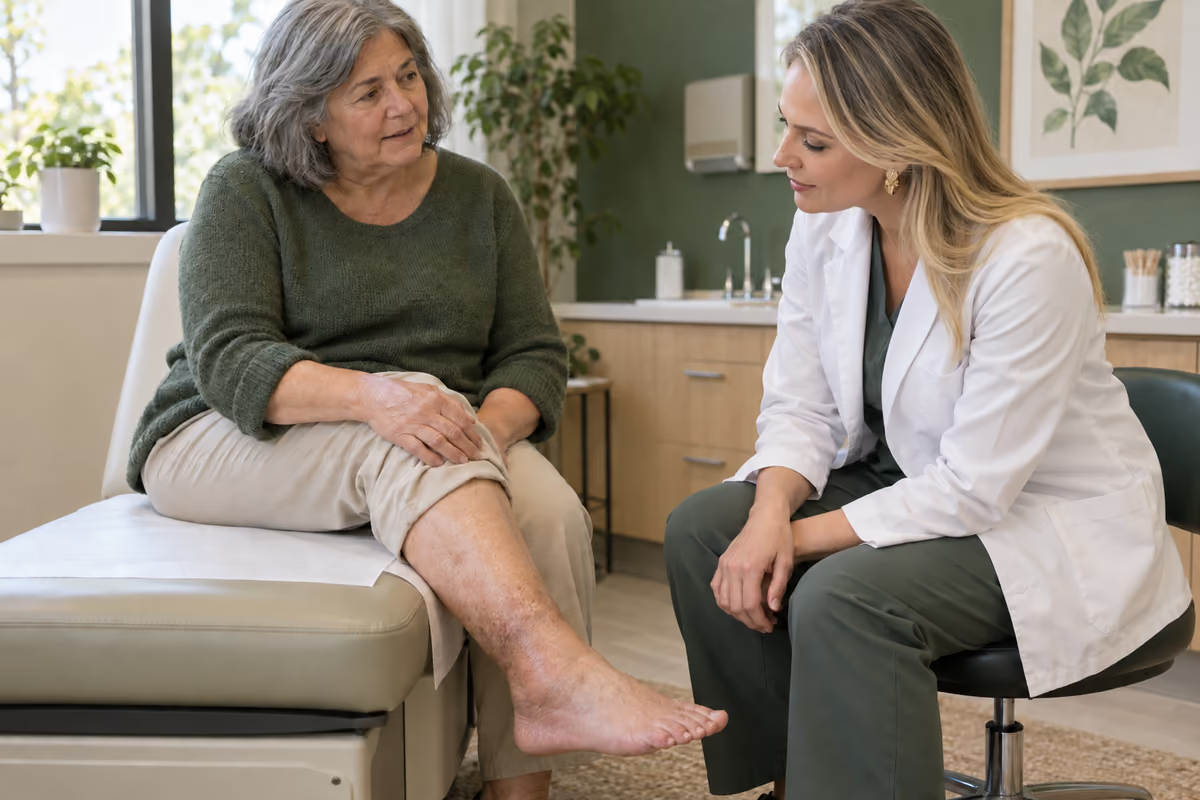
What can happen when treatment is delayed?
Delaying assessment can allow swelling and inflammation to persist, increasing discomfort, pigment changes, tissue hardening and skin vulnerability. In some people, venous disease progresses to ulcers that can be slow to heal and require prolonged care.
Wounds can affect walking, sleep and independence, and can become infected. Earlier care cannot guarantee that an ulcer will never develop, but allows treatable contributors and early skin damage to be addressed.
Another risk is attributing thrombosis, infection or a different acute problem to usual dermatitis. Sudden worsening in one leg, severe pain or systemic symptoms changes the urgency of assessment.
[1] [2]When to seek medical care
Sudden painful swelling of one leg requires urgent assessment for thrombosis or another acute cause. Breathlessness or chest pain requires emergency care. Fever, pus, spreading redness, a cold foot or severe pain must not wait for a routine appointment.
[1] [2]What it is and why it happens
Stasis dermatitis, also called venous eczema, is associated with increased venous pressure in the legs. When blood return through the veins is impaired, pressure and inflammation affect the surrounding tissues and skin. The condition involves more than surface dryness.
It may accompany varicose veins, chronic swelling and other signs of venous insufficiency. Age, mobility, previous thrombosis and other health conditions contribute to assessment. Dark ankles alone do not establish the diagnosis, and not all swelling is caused by venous disease.
[1] [2]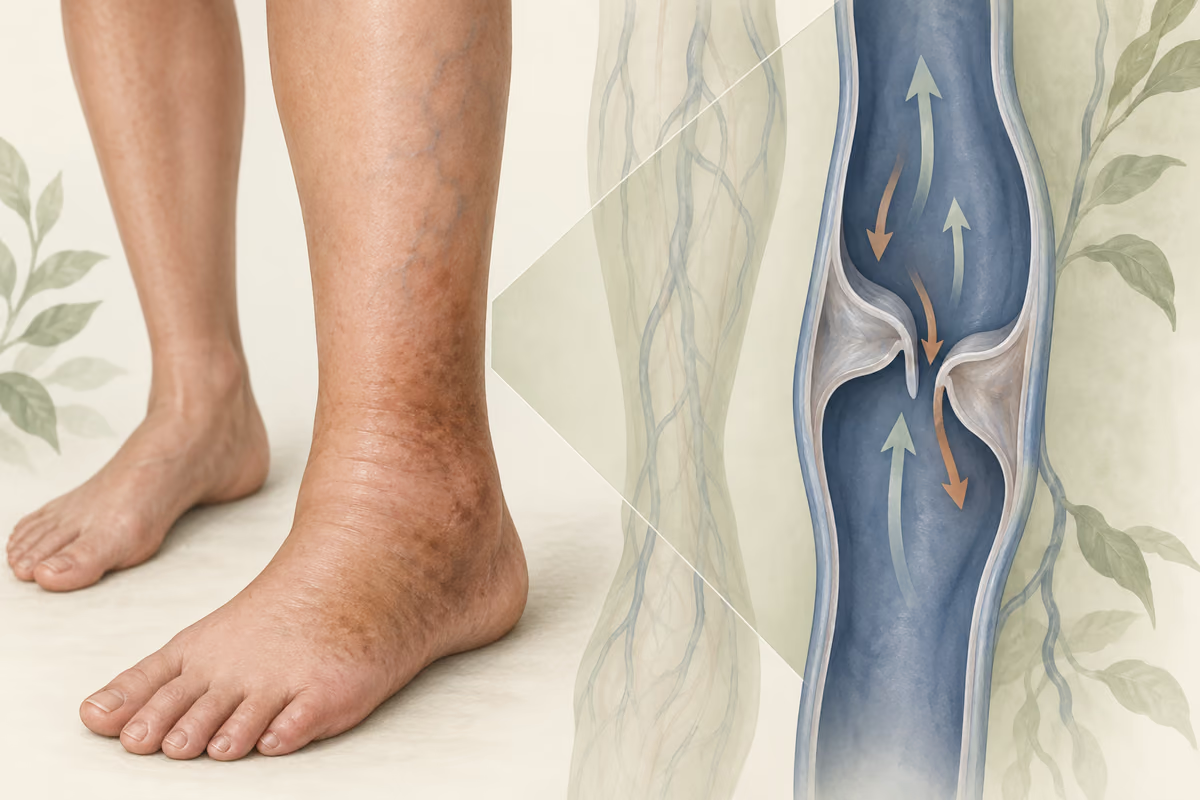
Symptoms and similar-looking conditions
Itching, scaling, swelling and brown pigmentation near the ankles are common. Skin may become tender, inflamed or hardened over time. Both legs are often involved, but distribution and progression still need examination.
Cellulitis, allergy to dressings, fungal infection and other causes of swelling can resemble parts of the presentation. A leg that suddenly becomes swollen and painful must not be dismissed as another eczema flare.
[1] [2]How diagnosis is established
Assessment combines skin examination with evaluation of circulation and contributing causes of oedema. Vascular tests and coordinated care may be needed. Mention previous ulcers, varicose veins, thrombosis, diabetes, walking difficulties and all medicines.
Before prescribing compression, clinicians assess for arterial disease or other conditions that may require modification. Compression strength and device type should not be chosen from a photograph or generic online recommendation.
An ulcer requires assessment of its cause, circulation, surrounding skin and possible infection. Previous creams and dressings matter because contact allergy may coexist and interfere with improvement.
[1] [2]Specialist treatment and follow-up
Management has two components: controlling skin inflammation and addressing venous disease. Moisturisers and topical anti-inflammatory medicines may help, but do not correct venous pressure alone. Suitable movement, exercise, leg elevation and compression may be recommended when appropriate and safe.
Stockings or bandages require indication, fitting and follow-up. Selected patients may benefit from vascular assessment of vein procedures. Open wounds need their own dressing and follow-up plan; antibiotics are not automatically needed without infection.
Follow-up monitors swelling, itch, skin integrity and tolerance of prescribed compression. The plan should reflect mobility, daily routines and available support. No single cream can address all these needs.
[1] [2]Safe care between appointments
Use only moisturisers and dressings suitable for your situation. Avoid scratching, skin injury and homemade creams. If caring for your legs is difficult, seek support to organise a safe routine.
Do not improvise tight bandages or select strong compression without assessment. If compression is already prescribed, follow fitting advice and the warning signs explained by your team. New pain, a cold foot, colour change or loss of sensation needs immediate assessment.
[1] [2]Do not treat inflammation with household remedies
Do not apply lemon juice, vinegar, alcohol, concentrated essential oils, acids or mixtures with unknown ingredients to inflamed skin. Natural products can irritate or cause allergy. Do not self-prescribe steroids, antibiotics or antifungals, or use someone else’s prescription.
Cure claims involving supplements, homeopathy or unproven methods should not replace investigation and treatment. Evidence varies between interventions; discuss any complementary product before using it. Delaying appropriate care while trying a remedy may prolong symptoms and obscure important changes.
Clinician-guided gentle cleansing, moisturising and barrier protection are legitimate home care. The goal is a safe, understandable plan with application instructions and clear reasons to return.
[3]Prepare for your appointment
- Record when symptoms began, affected areas and whether flares recur.
- Bring progress photographs and the names or labels of products you use.
- Mention medicines, known allergies, pregnancy, breastfeeding and other health conditions where applicable.
- Ask about the likely diagnosis, required investigations and what to do if treatment does not help.
- Agree on duration, maintenance, follow-up and warning signs.
10 PRACTICAL ANSWERS
Frequently asked questions
Can a cream resolve stasis dermatitis?
It may control part of the inflammation, but the underlying venous problem also needs assessment and management.
Can I buy any compression stocking?
No. Safety, pressure and fit depend on circulation and associated conditions.
Does dark ankle skin always mean stasis dermatitis?
No. Appearance offers a clue but does not replace examination and investigation of swelling.
Does every case progress to an ulcer?
No. Ulceration is a possible complication, not an inevitable outcome. Follow-up aims to reduce modifiable risks and treat changes early.
Does a red leg always need antibiotics?
No. Venous inflammation and infection can look similar. Antibiotic decisions require clinical assessment.
One leg suddenly became swollen. Should I wait?
Do not wait for a routine appointment. Sudden swelling, especially with pain, requires urgent assessment.
Can home remedies or alternative treatments replace medical assessment?
No. Irritating mixtures, products with unknown ingredients and cure claims can worsen skin disease and delay diagnosis. Clinician-guided home care, such as gentle cleansing and appropriate barrier care, is part of medical treatment.
Can I reuse an old prescription?
Not automatically. The diagnosis, site, age or severity may have changed. Share previous treatment details so the clinician can judge whether it remains appropriate.
What should I bring to the appointment?
Dated photographs, medicine and skincare names, previous results and a brief record of onset, aggravating factors and effects on sleep and everyday activities.
When should I request an earlier review?
For worsening, increasing pain, discharge, a product reaction or no improvement within the agreed period. Urgent warning signs in this guide must not wait for routine follow-up.
What the evidence supports and its limits
The literature describes links between venous hypertension, inflammation and skin injury. Management combines skin and venous care. Compression recommendations depend on vascular assessment and cannot be applied indiscriminately to every swollen leg.
[1] [2]Related reading
Bibliography and sources
References in Vancouver/NLM style. Sources accessed September 20, 2026. Guidelines, reviews and institutional guidance do not replace individual assessment.
- Yosipovitch G, Nedorost ST, Silverberg JI, Friedman AJ, Canosa JM, Cha A. Stasis dermatitis: an overview of its clinical presentation, pathogenesis, and management. Am J Clin Dermatol. 2023;24(2):275–286. DOI: 10.1007/s40257-022-00753-5. Read source.
- NATIONAL HEALTH SERVICE. Varicose eczema: treatment [Internet]. London: NATIONAL HEALTH SERVICE; 2023 [cited 2026 Sep 20]. Available from: https://www.nhs.uk/conditions/varicose-eczema/treatment/.
- NATIONAL CENTER FOR COMPLEMENTARY AND INTEGRATIVE HEALTH. Skin conditions and complementary health approaches: what the science says [Internet]. Bethesda: NATIONAL CENTER FOR COMPLEMENTARY AND INTEGRATIVE HEALTH; [date unknown] [cited 2026 Sep 20]. Available from: https://www.nccih.nih.gov/health/providers/digest/skin-conditions-and-complementary-health-approaches-science.