Important note: fractional CO2 laser is not a universal solution. Indication depends on skin phototype, pigmentation history, scar tendency, skin conditions, medication use, sun exposure and realistic treatment goals.
What is fractional CO2 laser?
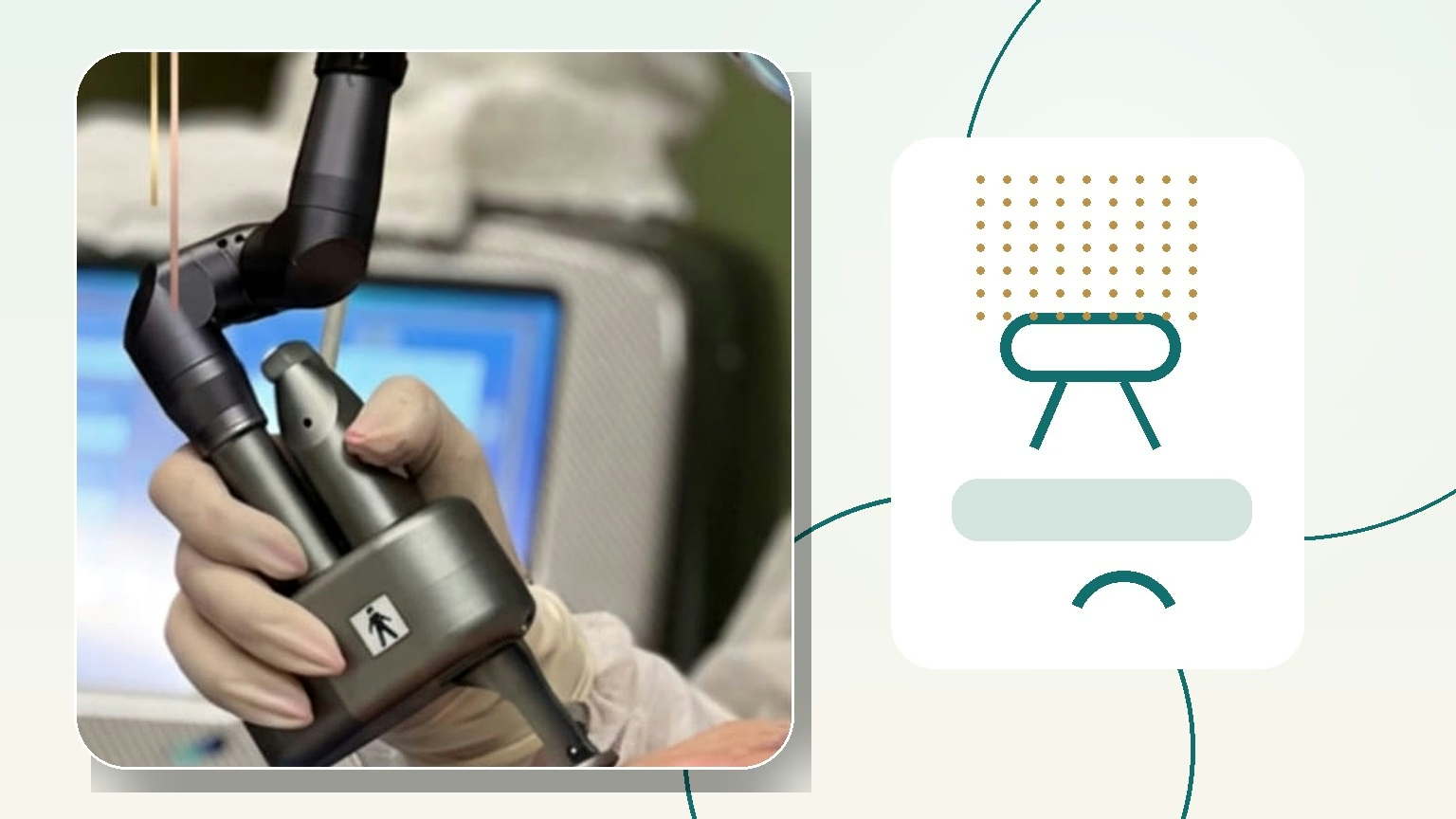
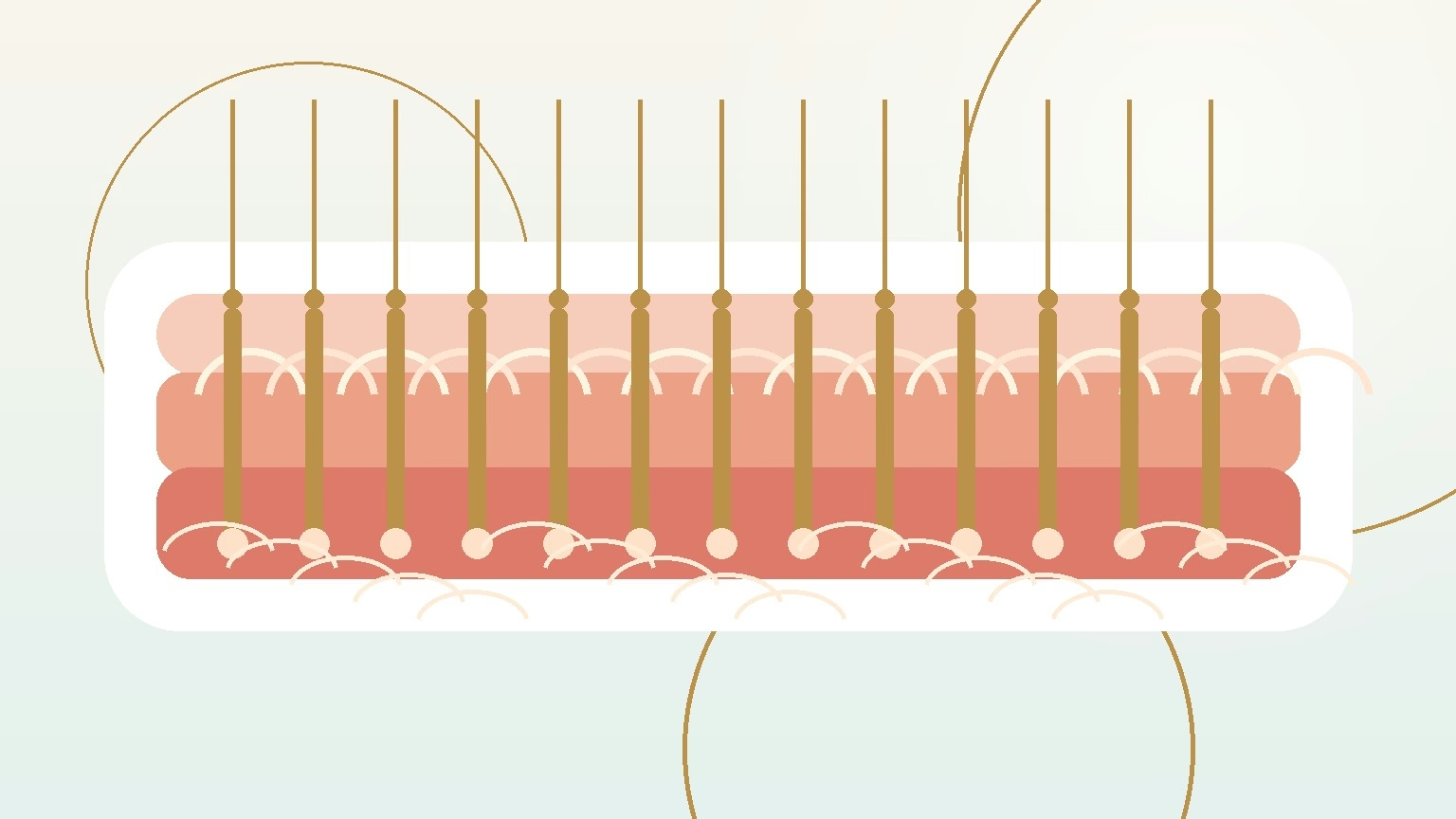
CO2 laser uses energy at a wavelength of 10,600 nm, which is strongly absorbed by water in tissue. In fractional mode, energy is delivered in small points, creating microscopic zones of controlled thermal action separated by preserved skin.
This fractional pattern allows the surrounding skin to participate in healing. For this reason, the procedure can be used in aesthetic dermatology protocols for texture renewal, collagen stimulation and gradual improvement of selected skin irregularities.
How does it act on the skin?
Fractional CO2 laser combines controlled superficial ablation and dermal heating. In practical terms, this can stimulate a repair process in the skin, with collagen remodeling over the following weeks and months.
Improvement, when it occurs, is usually progressive. The goal should not be to erase every mark, but to seek a response that is proportional to the clinical picture, recovery tolerance and medical plan.
Concerns that may be evaluated
During consultation, fractional CO2 laser may be discussed for different dermatologic and aesthetic concerns. The decision weighs expected benefit, downtime and individual risks.
- Uneven texture and visible pores.
- Fine lines, especially in photoaged areas.
- Selected acne scars, often combined with other techniques.
- Surgical or traumatic scars, depending on stage and characteristics.
- Stretch marks and some surface irregularities, when medically appropriate.
- Specific lesions that require medical evaluation before any procedure.
For patients in Sao Mateus, Jaguare, Conceicao da Barra, Pedro Canario, Pinheiros, Nova Venecia, Linhares and the northern region of Espirito Santo, in-person consultation helps decide whether travel, recovery time and aftercare fit the patient's routine.
Who needs extra caution?
Some situations require additional care or may make the procedure unsuitable at a given time. These include active skin infection, recent sun exposure, significant history of post-inflammatory hyperpigmentation, abnormal scarring tendency, pregnancy, uncontrolled diseases and recent use of certain medications.
More pigmented skin can undergo laser procedures in selected situations, but it often requires more conservative parameters, careful preparation and strict photoprotection. Individual evaluation is the core of safety.
How evaluation works in Sao Mateus ES
Evaluation with Dr. Caroline Minchio considers medical history, skin phototype, the main concern, skin texture, pigmentation, scars, sun exposure habits and availability for post-procedure care.
This is also the moment to align expectations: estimated number of sessions, treatment intervals, possible combination with other techniques and the limits of laser for each case.

Preparation before the procedure
Preparation varies according to skin type and objective. In general, the plan may include control of sun exposure, pausing irritating products, managing pigmentation tendency and reviewing medications or conditions that may interfere with healing.
Medications, anesthetics, antivirals, lightening agents or anti-inflammatory drugs should not be started on your own. When necessary, they should be prescribed and monitored by the physician.
Recovery and aftercare
After fractional CO2 laser, redness, warmth, mild swelling, dryness and peeling can occur. Intensity depends on the parameters used, the area treated and the individual skin response.
- Avoid direct sun exposure during recovery.
- Use photoprotection as medically instructed.
- Do not pick crusts or peeling skin.
- Avoid acids, exfoliants and irritating products until cleared.
- Report intense pain, discharge, extensive blisters or unexpected worsening.

Possible risks and side effects
Every medical procedure has risks. With fractional CO2 laser, possible effects include prolonged redness, post-inflammatory hyperpigmentation, hypopigmentation, irritation, temporary sensitivity changes, herpes reactivation in predisposed patients, infection and less commonly scarring.
These risks do not mean the treatment is inappropriate for everyone. They reinforce the importance of careful indication, regulated equipment, eye protection, proper technique and post-procedure follow-up.
Results: realistic expectations
Results may include gradual improvement in texture, selected scars, fine lines and the overall visual quality of the skin. However, response varies and should never be presented as guaranteed.
Deep scars, marked wrinkles, complex pigmentation and significant laxity may require combined treatments or may not respond as desired. Honest communication supports better decisions and prevents frustration.
Note on Google Ads, medical advertising and health content
This page uses educational language, avoids absolute promises, does not use before-and-after exposure, does not create fear-based pressure, does not use medication as a commercial hook and does not encourage self-medication.
The content also avoids stating that the procedure is suitable for everyone. The decision depends on medical evaluation, informed consent and individualized guidance.
Quick questions
Does fractional CO2 laser hurt?
It can cause discomfort. The anesthesia and pain-control strategy depends on the area, planned intensity and patient profile.
How many sessions are needed?
It varies. Some concerns may be addressed in one session, while scars and irregular texture may require more steps. The interval is defined during consultation.
Can it be used for melasma?
Melasma requires caution. In some skin types, heat and inflammation may worsen pigmentation. Indication must be highly individualized.
Can I work the next day?
It depends on procedure intensity and type of work. Visible redness and peeling may occur for a few days.