Main Causes
- Sun exposure without adequate protection
- Hormonal factors (pregnancy, oral contraceptives)
- Genetic predisposition
- Irritating cosmetics or previous inflammations
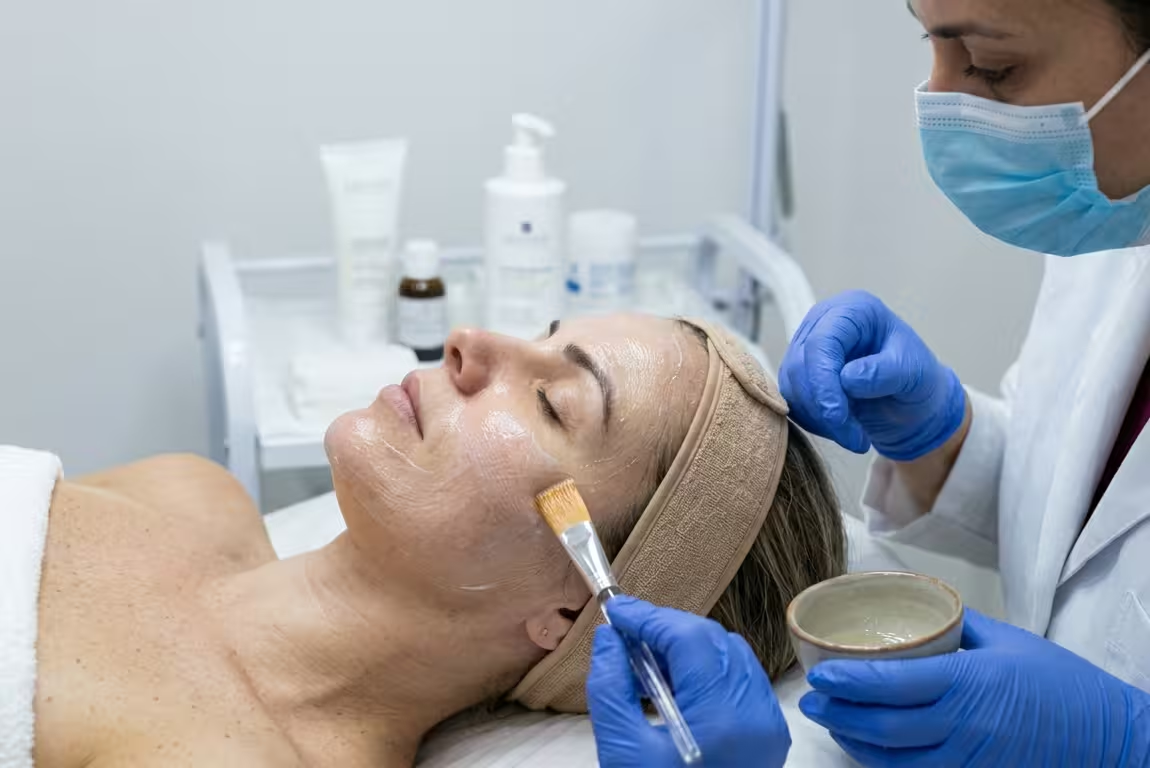
Melasma is a chronic pigmentation condition that commonly causes symmetrical brown or gray-brown patches, especially on the face. Other types of pigmentation can look similar, so an accurate diagnosis should come before treatment. At the clinic in Brazil, the assessment focuses on possible triggers and an individualized long-term control plan.
Melasma often has periods of improvement and recurrence. Ultraviolet radiation, visible light, hormonal factors, and skin irritation may contribute to new pigmentation or make existing patches darker. A realistic goal is usually to control pigmentation and reduce relapses, not to promise a permanent cure.
Improvement is gradual and depends on consistent care. Even after the skin becomes lighter, maintenance recommended by a dermatologist remains important.
Sunscreen should be broad-spectrum and generally SPF 30 or higher. Tinted products containing iron oxides may provide additional protection from visible light, which can also worsen melasma. Reapplication should take sun exposure, sweating, and contact with water into account.
The first step is to distinguish melasma from post-inflammatory hyperpigmentation, sun spots, and other pigmented lesions. Skin phototype, sensitivity, apparent pigment depth, pregnancy, hormonal exposure, medicines, and previous treatments may all influence the plan.
Photoprotection and topical medicines usually form the foundation of care. Peels and device-based procedures may be considered in selected situations, but they are not suitable for everyone because excessive irritation or inflammation can make pigmentation worse. Read the melasma and dark spots FAQ and the information about chemical peels.
A new or asymmetrical spot, or one that changes quickly, bleeds, forms a sore, or develops different colors, should not be treated as melasma without a diagnosis. A dermatology assessment is important before applying lightening products or undergoing a cosmetic procedure.
Patient information sources: see the American Academy of Dermatology guidance on melasma self-care and photoprotection and on melasma diagnosis and treatment.
Assessment of skin phototype, medical history, and daily routine helps define a suitable plan and identify factors that maintain pigmentation. Because melasma is chronic, outcomes and response times vary; consistent photoprotection and follow-up are part of long-term control.