Possible signs
- abrupt, intense shedding
- broken or narrowed hairs
- a fast reduction in volume
- a recent treatment or exposure
Hair dermatology · São Mateus, Espírito Santo
Anagen effluvium causes rapid loss of hairs that were actively growing. It can follow intense injury to the follicle, certain medical treatments or diseases and needs to be placed in context.
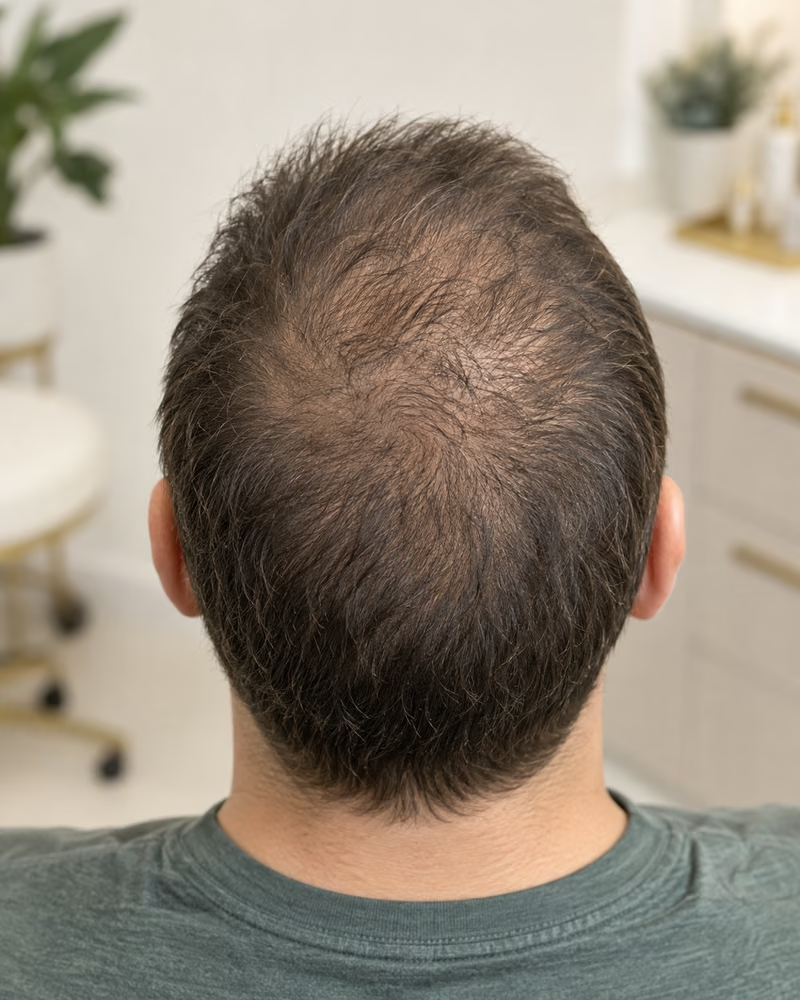
Dermatology care
Unlike telogen effluvium, shedding may begin soon after the trigger. Recovery depends on the cause, severity and whether the follicles remain viable.
Possible presentation
Chemotherapy is a known cause, but other exposures and illnesses can affect the hair matrix. Do not stop medical treatment without guidance.
Appearance alone cannot confirm the type of alopecia. Pattern, timing and symptoms change the investigation.
Evaluation
Onset, speed, triggers, illness, medicines, styling habits and family history are reviewed.
The evaluation reviews medicines, procedures, recent illnesses and the timing of loss. Trichoscopy and additional tests help when the presentation is not typical.
The type and activity of alopecia, together with general health, determine whether tests, biopsy, treatment or monitoring are appropriate.
Care
The priority is to control the cause with the responsible medical team and protect the scalp. Regrowth may follow removal of the trigger, but timing and texture vary.
Correct or control an identifiable trigger whenever possible.
Reduce inflammation, traction or progression to protect viable follicles.
Compare symptoms, photographs and density over time without promising the same result for everyone.
Abrupt unexplained loss, wounds, pain, marked scale, systemic symptoms or occupational exposure warrant prompt assessment.
FAQ · common questions
No. Anagen effluvium usually causes faster loss from injury to growing hairs; telogen effluvium appears later after a trigger.
Not necessarily. The pattern depends on the medicine, dose and individual sensitivity.
Many people regrow hair after the cause is controlled, but timing and texture vary.
No. Speak with the prescribing doctor; stopping treatment on your own can be dangerous.
Use gentle cleansing and protect the skin from sun and friction, following the treating team’s guidance.
References
Educational content reviewed for patient communication. It does not replace a medical consultation, diagnosis or prescription.