Possible signs
- more hair in the shower or brush
- diffuse shedding without sharply defined patches
- onset after illness or body changes
- a scalp that usually has no scarring
Hair dermatology · São Mateus, Espírito Santo
In telogen effluvium, many hairs enter the resting phase earlier than expected and shed weeks or months after a trigger. The shedding can be alarming but is often reversible when the cause is addressed.
Dermatology care
Fever, infections, surgery, childbirth, weight loss, restrictive diets, thyroid changes, physiological stress and some medicines may precede shedding. Timing is an important clue.
Possible presentation
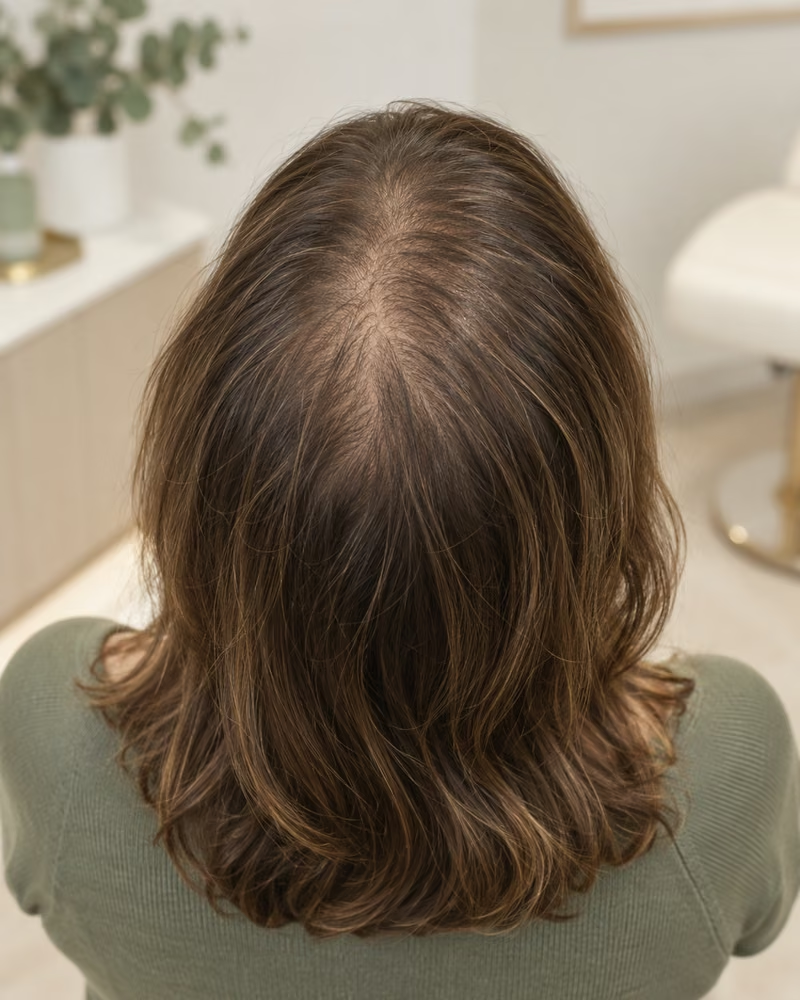
The condition follows a physical or metabolic stressor, which is not always remembered. Telogen effluvium and pattern hair loss may also occur together.
Appearance alone cannot confirm the type of alopecia. Pattern, timing and symptoms change the investigation.
Evaluation
Onset, speed, triggers, illness, medicines, styling habits and family history are reviewed.
The recent timeline, scalp examination, hair-pull test and trichoscopy guide the evaluation. Laboratory tests are targeted to the clinical suspicion rather than identical for everyone.
The type and activity of alopecia, together with general health, determine whether tests, biopsy, treatment or monitoring are appropriate.
Care
The focus is to identify the trigger, review medicines and correct documented deficiencies with medical guidance while monitoring recovery. Supplements without deficiency are not automatically helpful.
Correct or control an identifiable trigger whenever possible.
Reduce inflammation, traction or progression to protect viable follicles.
Compare symptoms, photographs and density over time without promising the same result for everyone.
Seek assessment if shedding persists, becomes patchy, or is accompanied by pain, intense itch, scale, eyebrow loss or progressive top-of-scalp thinning.
FAQ · common questions
It often appears weeks or a few months later because of the hair-growth cycle.
Many cases are temporary, but pattern hair loss and scarring disease must be excluded when shedding persists.
Only when indicated or a deficiency is documented. Excess of some nutrients can also be harmful.
Fever, infections and surgery can act as triggers in some people; the whole timeline should be reviewed.
Persistent, intense or localised loss, or scalp symptoms, should not be self-diagnosed.
References
Educational content reviewed for patient communication. It does not replace a medical consultation, diagnosis or prescription.